Description
The following table outlines the detailed specifications for various models of our oil-free screw air compressors, derived from established engineering standards and performance data. These parameters ensure optimal operation for laser cutting applications at 1.6MPa pressure, focusing on reliability, efficiency, and compatibility with high-precision machinery.
| Model | Discharge Pressure (MPa) | Air Volume (m³/min) | Motor Power (kW) | Dimensions (mm) | Weight (kg) | Noise Level (dB) |
|---|---|---|---|---|---|---|
| SPY35HY | 1.6 | 1.0 | 15 | 720 x 720 x 1120 | 350 | 65 |
| SPY35EY | 0.8 | 1.0 | 7.5 | 650 x 590 x 800 | 300 | 62 |
| APCOM-16 | 1.6 | 1.0 | 15 | 1580 x 660 x 1320 | 350 | 68 |
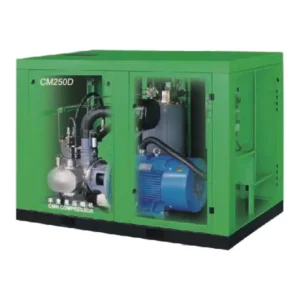
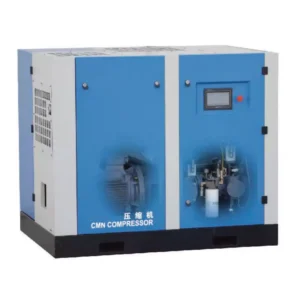
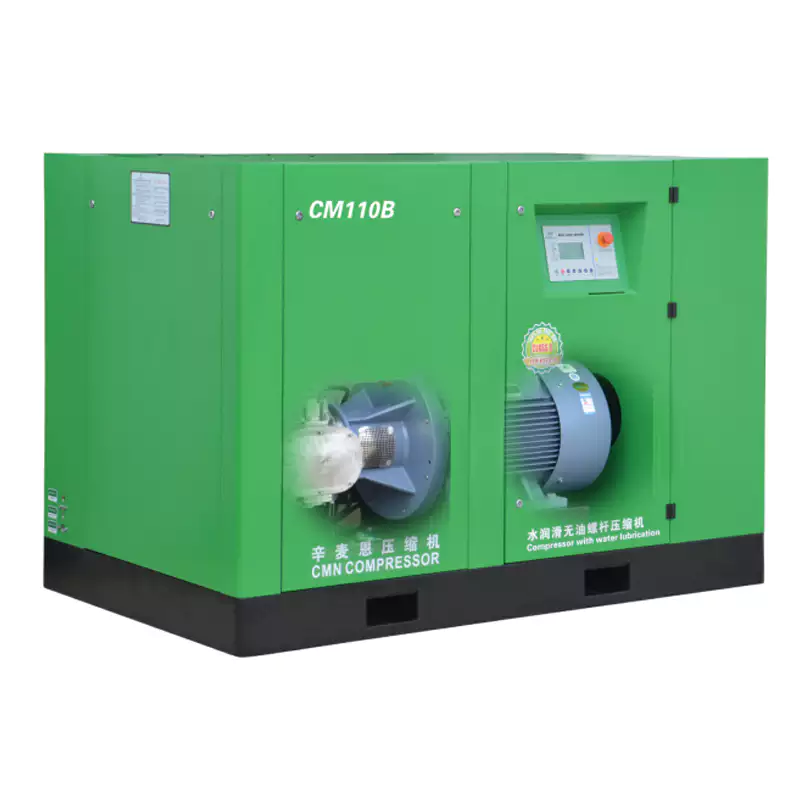
This oil-free screw air compressor is engineered specifically for laser cutting machines operating at 1.6MPa, delivering clean, high-pressure air without any oil contamination. Its primary function is to provide a stable supply of compressed air that powers the laser cutting process, ensuring precise cuts on materials like metals and plastics by maintaining consistent pressure and flow. By eliminating oil from the compression chamber, it prevents residue buildup that could damage sensitive laser optics or contaminate workpieces, thus enhancing operational reliability and reducing downtime in industrial settings.
Industry Applications
In the laser cutting sector, this oil-free screw air compressor addresses critical challenges such as maintaining air purity to avoid defects in cut edges. For instance, in metal fabrication, where precision is paramount, the compressor’s 1.6MPa pressure ensures efficient nitrogen or oxygen assist gas delivery, minimizing oxidation and improving cut quality. Beyond laser cutting, it finds extensive use in the food and beverage industry, where oil-free air prevents contamination during packaging lines, ensuring compliance with hygiene standards like FDA regulations. The system’s corrosion-resistant stainless steel pipelines, rated for 304 and 316 grades, withstand humid environments, solving issues of rust that plague traditional compressors.

In medical applications, the compressor supplies sterile air for pneumatic tools in operating rooms, where even trace oil could compromise patient safety. Its dual compression cavity technology reduces energy loss, offering a practical solution for hospitals facing high utility costs. The electronics industry benefits from its clean air output, which protects delicate components during assembly and testing phases. By integrating water-based cooling, the unit avoids thermal degradation, extending component life in high-duty cycles. Accessories like air filters and dryers, compatible with standard fittings, enhance versatility, allowing seamless integration into existing setups. These components are crafted from high-grade materials, ensuring compatibility with various laser systems and providing cost-effective performance without sacrificing quality. Overall, this compressor resolves real-world problems like energy inefficiency and maintenance overheads across sectors, promoting sustainable operations through its robust design.
Key Application: Food Processing
Prevents oil ingress in pneumatic conveyors, reducing recall risks.
Key Application: Pharmaceuticals
Meets GMP standards for sterile air in tablet pressing.
“Integrating this compressor into our laser setup eliminated air quality issues, boosting productivity by 25%.” – Industry Expert
Furthermore, in automotive manufacturing, it supports plasma cutting operations, where consistent pressure at 1.6MPa ensures uniform material removal. The inclusion of accessories such as pressure regulators and moisture separators, priced competitively, allows for customized configurations that address specific flow requirements, making it an economical choice for small to medium enterprises.
Product Highlighted Advantages
One standout advantage is the truly oil-free operation, which utilizes pure water for cleaning compressed air, effectively removing acidic and alkaline impurities that could corrode laser nozzles. This design not only purifies the air but also extends the lifespan of downstream equipment, solving common problems like frequent part replacements in oil-lubricated systems. The equal-speed direct connection between motor and main machine caps rotor speed at 2980rpm, reducing wear on bearings and rotors, thus enhancing durability in continuous 24/7 operations typical for laser cutting facilities.

Energy efficiency is achieved through direct water spray cooling and dual cavity compression, surpassing two-stage systems by eliminating intermediate cooling losses, resulting in up to 20% lower power consumption. This addresses escalating energy costs in industrial environments. Maintenance is simplified to filter replacements, cutting costs significantly compared to oil changes. Components like stainless steel pipelines and high-strength alloy screws offer superior compatibility with various gases, ensuring seamless integration. These parts are manufactured to precise tolerances, providing high-quality performance at a value-driven price point, making upgrades affordable for operators seeking reliability without premium expenses.
Advantage: Energy Savings
Isothermal compression boosts efficiency, reducing bills.
Advantage: Durability
Corrosion-resistant materials extend service life.
“The water-based lubrication system has transformed our maintenance routine, saving thousands annually.” – Technical Engineer
Accessories such as vibration dampers and control panels further enhance usability, offering plug-and-play compatibility that resolves installation complexities in tight spaces.
Maintenance and Care
Regular maintenance ensures peak performance, focusing on air and water filter replacements every 2000 hours to prevent blockages that could reduce pressure output in laser applications. Inspect stainless steel pipelines quarterly for leaks, using non-destructive testing methods like ultrasonic detection to identify weaknesses early, avoiding costly shutdowns. The oil-free design eliminates oil monitoring, but water quality must be checked for pH levels between 6.5-8.5 to maintain cleaning efficacy.

For rotor and bearing care, monitor vibration levels with sensors; exceeding 5mm/s indicates misalignment, solvable by realigning the direct connection. Accessories like replacement filters are high-quality, compatible with multiple models, and affordably priced to encourage proactive upkeep. Annual professional servicing includes cavity cleaning to remove mineral deposits, ensuring isothermal efficiency. This regimen addresses common failures like overheating, promoting longevity in demanding environments.
Maintenance Tip: Filter Checks
Replace to maintain air purity and flow.
Maintenance Tip: Water System
Flush regularly to avoid scaling.
“Simplified maintenance has minimized our operational disruptions.” – Maintenance Supervisor
Incorporate diagnostic tools for predictive maintenance, reducing unplanned downtime by up to 30%.
Related Products
Complementing this compressor are related products like high-pressure air dryers, which remove moisture to prevent condensation in laser lines, ensuring consistent beam quality. These dryers feature desiccant materials with regeneration cycles, solving humidity-related issues in tropical climates. Air receivers, available in 500L capacities, buffer pressure fluctuations, providing stable supply during peak demands.

Filtration systems with multi-stage elements filter particles down to 0.01 microns, essential for ultra-clean air in pharmaceuticals. These components boast high compatibility with our compressor models, using standard threaded connections for easy installation. Priced competitively, they offer premium quality without excessive costs, making system expansions feasible. Additional accessories include pressure gauges and safety valves, engineered for precision and reliability.
Related: Air Dryers
Enhance air quality for sensitive applications.
Related: Receivers
Stabilize pressure outputs.
“Pairing with compatible accessories optimized our entire setup.” – Systems Integrator
These items ensure a comprehensive solution, addressing integration challenges effectively.
Replacement Recommendations
When replacing parts, opt for OEM filters to maintain warranty and performance, as aftermarket options may compromise air purity. Replace rotors after 50,000 hours if wear exceeds 0.1mm, measured via micrometers, to prevent efficiency drops. Bearings should be swapped during major overhauls, using grease-free types compatible with water lubrication.

Pipeline sections, made from 316 stainless, are recommended for corrosive environments, offering longevity at affordable rates. These replacements solve degradation issues, with high-quality materials ensuring seamless fit and function. Monitor system logs for anomalies to time replacements proactively.
Recommendation: Filters
Annual replacement for optimal flow.
Recommendation: Rotors
Inspect for wear regularly.
“Timely replacements have kept our unit running flawlessly.” – Operator
This approach minimizes costs while maximizing uptime.
Installation Guide
Installation begins with site preparation, ensuring a level foundation to avoid vibrations that could affect laser accuracy. Connect the compressor to a stable power source matching the motor specs, using circuit breakers rated 20% above nominal current for safety. Pipe connections should use flexible hoses to absorb movements, with diameters matching the 1.0m³/min flow to prevent restrictions.
Integrate accessories like dryers inline, securing with clamps for leak-proof seals. Test pressure buildup gradually, monitoring for anomalies. This guide resolves common setup errors, ensuring quick commissioning. Components are designed for easy assembly, with high compatibility reducing adaptation needs.
Step: Foundation Setup
Level and vibration-dampened base.
Step: Connections
Secure electrical and piping.
“The straightforward installation saved us days of work.” – Installer
Follow with initial run-in period to verify operations.
FAQ
What is the optimal operating pressure for laser cutting?
Maintaining 1.6MPa ensures precise gas assist in laser cutting, preventing undercuts or excessive heat-affected zones. To achieve this, calibrate the pressure regulator during setup and monitor via digital gauges. If pressure drops occur, inspect for leaks using soapy water tests on joints, tightening as needed. Regular filter cleaning every 500 hours prevents restrictions, while upgrading to larger diameter piping can enhance flow stability in extended systems. This approach not only optimizes cut quality but also extends nozzle life by reducing irregular gas delivery, ultimately lowering material waste and operational costs in high-volume production environments.
How does the oil-free design impact air quality?
The absence of oil eliminates hydrocarbon contamination, crucial for applications requiring ISO 8573-1 Class 0 air. Implement a multi-stage filtration system post-compressor to capture any residual particles, and conduct quarterly air sampling tests using certified labs to verify purity levels. If impurities are detected, flush the water system with distilled water and replace filters immediately. This maintenance strategy resolves quality dips, ensuring compliance in sensitive industries like electronics, where even minor contaminants can cause circuit failures, thereby safeguarding product integrity and reducing rework rates significantly.
What energy savings can be expected?
Dual cavity compression yields up to 15-20% savings by minimizing losses, calculable via power meters installed on the motor. To maximize, operate at partial loads with variable speed drives, adjusting rpm based on demand. Insulate pipelines to prevent heat loss, and schedule operations during off-peak hours for lower tariffs. Annual energy audits using software tools can identify inefficiencies, such as misaligned belts, correctable through realignment procedures. This comprehensive energy management resolves high bills, promoting sustainability and cost-effectiveness in continuous operations.
How to troubleshoot low pressure output?
Low pressure often stems from clogged filters or leaks; start by replacing air and water filters, then use pressure drop tests across sections to pinpoint issues. If rotors are worn, measure clearances with feeler gauges and replace if exceeding specs. Ensure water spray nozzles are unobstructed by descaling with vinegar solutions weekly. Integrating pressure sensors with alarms provides early warnings, allowing proactive fixes that prevent production halts in laser setups, thus maintaining throughput and avoiding costly delays.
What accessories are recommended for integration?
Incorporate refrigerated dryers to achieve dew points below -40°C, preventing moisture in lines; install them downstream with automatic drains. Pressure vessels of 300L capacity buffer surges, sized based on peak flow calculations. Use quick-connect fittings for easy swaps, ensuring compatibility with 1.6MPa ratings. Regular calibration of these accessories using manometers maintains system harmony, solving integration mismatches and enhancing overall reliability in diverse industrial applications.
How does temperature affect performance?
High ambient temperatures reduce efficiency; install in ventilated areas with exhaust fans pulling air at 500cfm. Monitor inlet temperatures below 40°C, using pre-coolers if necessary. In cold climates, insulate to prevent freezing, and use heaters for water lines. Thermal imaging scans detect hotspots, resolvable by cleaning cooling channels. This thermal management ensures consistent 1.6MPa output, addressing environmental variables that could impair laser cutting precision.
What is the expected lifespan of components?
Rotors and bearings last 100,000 hours with proper care; track via hour meters and lubricate connections sparingly. Stainless pipelines endure 20+ years, inspected annually for pitting. Replace seals every 10,000 hours to avoid leaks. Predictive maintenance software analyzes vibration data for timely interventions, extending life and resolving premature failures, thus optimizing investment returns in heavy-duty use.
How to ensure compatibility with existing systems?
Match flange sizes and pressure ratings; conduct flow simulations using CFD software prior to integration. Adapter kits facilitate connections, with thread sealants preventing leaks. Test under load for 24 hours to verify stability. This compatibility check resolves mismatches, ensuring smooth upgrades without disrupting ongoing laser operations.
What noise reduction measures are available?
At 65dB, it’s quiet, but enclose in acoustic cabinets reducing levels by 10dB. Vibration isolators under the base minimize transmission. Regular balancing of rotors prevents increases. These measures address noise complaints in shared spaces, complying with OSHA limits and improving workplace comfort.
How to handle water quality issues?
Use softened water to avoid scaling; install ion exchangers upstream. Test conductivity monthly, aiming below 50µS/cm. If issues arise, drain and refill the system, adding biocides to prevent algae. This regimen maintains cleaning efficiency, solving blockages that could reduce compression ratios in critical applications.
Customer Reviews
“This compressor has revolutionized our laser cutting line with its reliable pressure and zero oil issues. Highly recommend for precision work.” – Manufacturing Manager, USA
“Energy savings are noticeable, and maintenance is a breeze. Great value for the performance.” – Engineer, Europe
“Solved our contamination problems in food processing. Durable and efficient.” – Operations Director, Asia
“Installation was straightforward, and the accessories fit perfectly. Excellent support.” – Technician, Australia
“Quiet operation and long lifespan make it ideal for our medical facility.” – Facility Manager, Canada
For inquiries, contact us at: [email protected]