
Item Description
Industrial&solMedical Oxygen Booster Slide Compressor
Characteristics
1.Large purity for fuel
-It is not going to pollute gasoline in the compression or transferring approach
2.No leak of fuel
-There is no any leakage in the compression or transferring method
3.Higher discharge pressure
-Custom made-made for different discharge pressures, particularly for higher discharge pressure
4.Huge stress ratio
-Its single stage stress is bigger than other compressors, which can use for these conditions of extensive range in between inlet and outlet pressures.
Instruction
The diaphragm compressor is a good displacement compressor with a unique structure. Its cylinder does not call for lubrication and has great sealing efficiency. The compact medium is not in speak to with any lubricant. In the compression procedure, there will be no risk of air pollution. So the machine is competent to compress gases with higher purity. It is a variant of reciprocating compressor.
Merchandise Photographs
Programs
The diaphragm compressor is notably suitable for compressing, transporting, and bottling cherished and unusual gases. It is also an best air compressor for handling highly corrosive, toxic, inflammable, explosive, radioactive gases.
The principal relevant instances are: gas filling, mixing, conveying&semi tanker loading&semi chemical and petrochemical gas processing&semi gas for electronic, semiconductor and fiber production&semi one particular-cease fuel compression and storage&semi booster of gas recycling technique&semi higher pressure fuel storage&semi hydrogen technique of power plant&semi hydrogen provide technique&semi supercritical fluid and solvent extraction system&semi analysis and improvement.
Design List and Complex Parameters
Z variety
| Design | GZ-10&sol4-sixteen | GZ-fifteen&sol15-20 | GZ-5&sol5-twenty |
| Compression stage | one particular-stage | a single-phase | one-phase |
| Cooling h2o consumption &lpart&solh) | .five | .eight | .eight |
| Air discharge &lparNm3&solh) | ten | fifteen | 5 |
| Inlet force &lparMpa) | .four | 1.5 | .five |
| Outlet strain &lparMpa) | one.six | 2 | two |
| Dimension &lparL×W×H)&lparmm) | 1230×600×1100 | 1000×560×1100 | 1520×810×1170 |
| Bodyweight &lpart) | .5 | .6 | .eight |
| Motor electrical power &lparKw) | 2.2 | two.two | three |
V kind
| Model | GV-8&sol8-160 | GV-twenty&sol3-two hundred | GV-5&sol200 |
| Compression phase | two-phase | two-phase | two-stage |
| Cooling water intake &lpart&solh) | one.two | .4 | 4.five |
| Air discharge &lparNm3&solh) | eight | 20 | 5 |
| Inlet strain &lparMpa) | eight | .3 | atmospheric strain |
| Outlet pressure &lparMpa) | sixteen | twenty | twenty |
| Dimension &lparL×W×H)&lparmm) | 1310×686×980 | 2030×1125×1430 | 1500×780×1080 |
| Fat &lpart) | .sixty five | 1.8 | .75 |
| Motor electrical power &lparKw) | three | fifteen | 3 |
L type
| Model | GL-forty&sol200 | GL-one hundred fifty&sol6-two hundred | GL-580&sol11-25 |
| Compression stage | two-phase | two-phase | two-phase |
| Cooling h2o consumption &lpart&solh) | four.5 | five | five |
| Air discharge &lparNm3&solh) | 40 | a hundred and fifty | 580 |
| Inlet force &lparMpa) | atmospheric force | .6 | 1.1 |
| Outlet pressure &lparMpa) | 20 | twenty | 2.5 |
| Dimension &lparL×W×H)&lparmm) | 3675×1750×1970 | 3475×1350×2300 | 3675×2000×2340 |
| Excess weight &lpart) | three.8 | five | 5.8 |
| Motor energy &lparKw) | 30 | 45 | 30 |
D type
| Design | GD-a hundred and fifty&sol0.01-7 | GD-one hundred twenty&sol1-two hundred | GD-600&sol12-40 |
| Compression phase | two-stage | two-phase | two-phase |
| Cooling h2o intake &lpart&solh) | 5 | five.5 | six |
| Air discharge &lparNm3&solh) | a hundred and fifty | a hundred and twenty | 600 |
| Inlet strain &lparMpa) | .001 | .1 | 12 |
| Outlet stress &lparMpa) | .seven | 20 | four |
| Dimension &lparL×W×H)&lparmm) | 4200×3400×2000 | 3500×2300×1500 | 500×2300×1550 |
| Excess weight &lpart) | 13.8 | eight.5 | eight.5 |
| Motor electricity &lparKw) | 45 | 55 | 55 |
Acquiring Xihu (West Lake) Dis.
You should go through the subsequent ahead of getting the diaphragm compressor:
one. relevant medium: substantial-purity gases, inert gases, flammable gases, poisonous gases, and other unique gases&semi
2. the inlet stress and discharge pressure are gauge pressures&semi
three. When making inquiry or inserting purchase, it is essential to give the pursuing information:
a. inlet strain&semi
b. discharge force&semi
c. volume circulation&semi
d. medium to be compressed&semi
e. other needs.
Note: When compressing particular media, please also offer the part information and bodily-chemical houses of the medium.
WHAT WE CAN Supply
HangZhou CZPT Basic Gear Co.,Ltd. is a wholly owned subsidiary of ZheJiang Air Separation Plant Group Company-the next biggest fuel gear producer in China.
We specialize in creating air separation crops, CO2 restoration plants, cryogenic liquid storage tanks, ISO tanks, semi-trailer tankers, vaporizers, fuel filling stations, cylinders and dewars, dry ice machines, compressors and cryogenic pumps and many others.
|
US $15,000-150,000 / Piece | |
1 Piece (Min. Order) |
###
| Lubrication Style: | Lubricated |
|---|---|
| Cooling System: | Water Cooling |
| Cylinder Position: | Horizontal |
| Structure Type: | L Shape Compressor |
| Type: | Two-Stage Compression |
| Certification: | A2,C2,Gc1,GB-150,ASME |
###
| Customization: |
Available
|
|---|
###
| Model | GZ-10/4-16 | GZ-15/15-20 | GZ-5/5-20 |
| Compression stage | one-stage | one-stage | one-stage |
| Cooling water consumption (t/h) | 0.5 | 0.8 | 0.8 |
| Air discharge (Nm3/h) | 10 | 15 | 5 |
| Inlet pressure (Mpa) | 0.4 | 1.5 | 0.5 |
| Outlet pressure (Mpa) | 1.6 | 2 | 2 |
| Dimension (L×W×H)(mm) | 1230×600×1100 | 1000×560×1100 | 1520×810×1170 |
| Weight (t) | 0.5 | 0.6 | 0.8 |
| Motor power (Kw) | 2.2 | 2.2 | 3 |
###
| Model | GV-8/8-160 | GV-20/3-200 | GV-5/200 |
| Compression stage | two-stage | two-stage | two-stage |
| Cooling water consumption (t/h) | 1.2 | 0.4 | 4.5 |
| Air discharge (Nm3/h) | 8 | 20 | 5 |
| Inlet pressure (Mpa) | 8 | 0.3 | atmospheric pressure |
| Outlet pressure (Mpa) | 16 | 20 | 20 |
| Dimension (L×W×H)(mm) | 1310×686×980 | 2030×1125×1430 | 1500×780×1080 |
| Weight (t) | 0.65 | 1.8 | 0.75 |
| Motor power (Kw) | 3 | 15 | 3 |
###
| Model | GL-40/200 | GL-150/6-200 | GL-580/11-25 |
| Compression stage | two-stage | two-stage | two-stage |
| Cooling water consumption (t/h) | 4.5 | 5 | 5 |
| Air discharge (Nm3/h) | 40 | 150 | 580 |
| Inlet pressure (Mpa) | atmospheric pressure | 0.6 | 1.1 |
| Outlet pressure (Mpa) | 20 | 20 | 2.5 |
| Dimension (L×W×H)(mm) | 3675×1750×1970 | 3475×1350×2300 | 3675×2000×2340 |
| Weight (t) | 3.8 | 5 | 5.8 |
| Motor power (Kw) | 30 | 45 | 30 |
###
| Model | GD-150/0.01-7 | GD-120/1-200 | GD-600/12-40 |
| Compression stage | two-stage | two-stage | two-stage |
| Cooling water consumption (t/h) | 5 | 5.5 | 6 |
| Air discharge (Nm3/h) | 150 | 120 | 600 |
| Inlet pressure (Mpa) | 0.001 | 0.1 | 12 |
| Outlet pressure (Mpa) | 0.7 | 20 | 4 |
| Dimension (L×W×H)(mm) | 4200×3400×2000 | 3500×2300×1500 | 500×2300×1550 |
| Weight (t) | 13.8 | 8.5 | 8.5 |
| Motor power (Kw) | 45 | 55 | 55 |
|
US $15,000-150,000 / Piece | |
1 Piece (Min. Order) |
###
| Lubrication Style: | Lubricated |
|---|---|
| Cooling System: | Water Cooling |
| Cylinder Position: | Horizontal |
| Structure Type: | L Shape Compressor |
| Type: | Two-Stage Compression |
| Certification: | A2,C2,Gc1,GB-150,ASME |
###
| Customization: |
Available
|
|---|
###
| Model | GZ-10/4-16 | GZ-15/15-20 | GZ-5/5-20 |
| Compression stage | one-stage | one-stage | one-stage |
| Cooling water consumption (t/h) | 0.5 | 0.8 | 0.8 |
| Air discharge (Nm3/h) | 10 | 15 | 5 |
| Inlet pressure (Mpa) | 0.4 | 1.5 | 0.5 |
| Outlet pressure (Mpa) | 1.6 | 2 | 2 |
| Dimension (L×W×H)(mm) | 1230×600×1100 | 1000×560×1100 | 1520×810×1170 |
| Weight (t) | 0.5 | 0.6 | 0.8 |
| Motor power (Kw) | 2.2 | 2.2 | 3 |
###
| Model | GV-8/8-160 | GV-20/3-200 | GV-5/200 |
| Compression stage | two-stage | two-stage | two-stage |
| Cooling water consumption (t/h) | 1.2 | 0.4 | 4.5 |
| Air discharge (Nm3/h) | 8 | 20 | 5 |
| Inlet pressure (Mpa) | 8 | 0.3 | atmospheric pressure |
| Outlet pressure (Mpa) | 16 | 20 | 20 |
| Dimension (L×W×H)(mm) | 1310×686×980 | 2030×1125×1430 | 1500×780×1080 |
| Weight (t) | 0.65 | 1.8 | 0.75 |
| Motor power (Kw) | 3 | 15 | 3 |
###
| Model | GL-40/200 | GL-150/6-200 | GL-580/11-25 |
| Compression stage | two-stage | two-stage | two-stage |
| Cooling water consumption (t/h) | 4.5 | 5 | 5 |
| Air discharge (Nm3/h) | 40 | 150 | 580 |
| Inlet pressure (Mpa) | atmospheric pressure | 0.6 | 1.1 |
| Outlet pressure (Mpa) | 20 | 20 | 2.5 |
| Dimension (L×W×H)(mm) | 3675×1750×1970 | 3475×1350×2300 | 3675×2000×2340 |
| Weight (t) | 3.8 | 5 | 5.8 |
| Motor power (Kw) | 30 | 45 | 30 |
###
| Model | GD-150/0.01-7 | GD-120/1-200 | GD-600/12-40 |
| Compression stage | two-stage | two-stage | two-stage |
| Cooling water consumption (t/h) | 5 | 5.5 | 6 |
| Air discharge (Nm3/h) | 150 | 120 | 600 |
| Inlet pressure (Mpa) | 0.001 | 0.1 | 12 |
| Outlet pressure (Mpa) | 0.7 | 20 | 4 |
| Dimension (L×W×H)(mm) | 4200×3400×2000 | 3500×2300×1500 | 500×2300×1550 |
| Weight (t) | 13.8 | 8.5 | 8.5 |
| Motor power (Kw) | 45 | 55 | 55 |
Types of Air Compressors
There are many types of Air Compressors available on the market. Learn which one is right for your needs and what makes one better than another. Find out more about Single-stage models, Oil-free models, and Low-noise models. This article will explain these types and help you decide which one you need. You can also learn about Air Compressors that have single-stage compressors. If you are looking for a high-quality compressor, this article will help you choose a unit.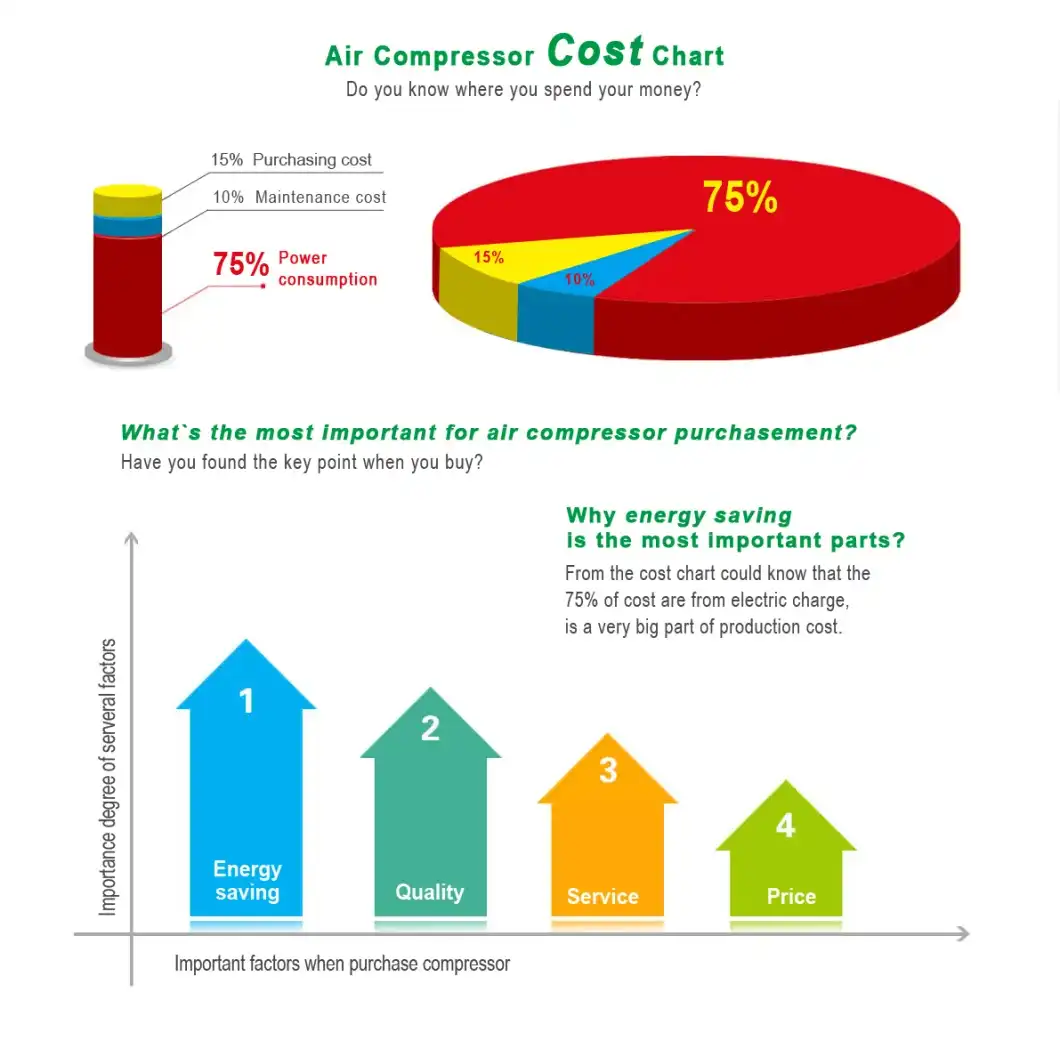
Air Compressors
Air compressors work by forcing atmospheric air through an inlet valve. As the piston moves down, it pulls atmospheric air into the chamber. As the piston rises, it forces the compressed air out of the cylinder through an exhaust valve. One of the most common types of air compressor is the reciprocating type. Another type of compressor is a single-stage piston. These types of compressors compress air in one stroke – equivalent to the complete rotation of the piston’s crankshaft.
These devices change electrical or mechanical energy into pressurized air. When air is compressed, its volume decreases, increasing its pressure. Air compressors typically have a minimum pressure of 30 bars. The lower pressure band is the range of air pressure. Most compressors are controlled separately, but network controls can be used to interconnect multiple compressors. This type of controller will not work for all types of compressors. There are other types of air compressors that can communicate with each other.
Compressed air has multiple applications in all kinds of industries. In agriculture, it can power pneumatically powered material handling machines for irrigation and crop spraying. Dairy equipments also use compressed air. Compressors are also used in the pharmaceutical industry for mixing tanks, packaging, and conveyor systems. Portable air compressors, which can be powered by diesel fuel, are frequently used at remote drilling sites. Portable air compressors are also commonly used in oil and gas. They can be used to remotely control valves and install reactor rods.
Whether you use an air compressor for agricultural purposes or in a manufacturing setting, there are some features to consider when choosing an air compressor for your needs. A good compressor will have a safety device. It will automatically shut off the input air and output air once sufficient compressing has been achieved. These features will help your air compressor remain efficient and protect your equipment. The safety device is an important feature of any air compressor to increase its overall efficiency.
Vane air compressors are the most common type. They are generally smaller and less powerful than reciprocating piston compressors, so you can use one of these for applications that are under 100 horsepower. The vane air compressors have low compression ratios and high capacities, but they are generally limited to low-power applications. Vane compressors tend to run hot, and they typically have a low compression ratio. It is important to choose the correct oil viscosity for your compressor.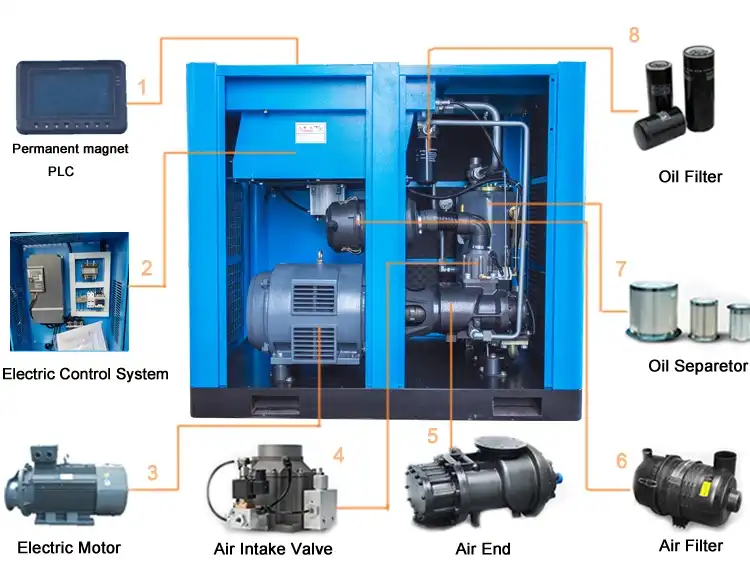
Single-stage models
When comparing single-stage air compressors, look for the term “stages.” Multi-stage compressors use two stages and can handle more capacity and pressure. One stage involves pressurizing air using a piston and a lower-pressure cylinder. This compressed air is then moved to a storage tank. Single-stage models tend to be more energy-efficient than their two-stage counterparts. But if you don’t need a high-pressure cylinder, a single-stage air compressor can be the best choice.
Although single-stage air compressors produce less power, they can produce enough air to power pneumatic tools and other pneumatic equipment. These single-stage units are most useful for smaller-scale home projects and DIY projects. For more industrial purposes, a dual-stage model is the best choice. But if you’re in a hurry, a single-stage unit may be sufficient. Ultimately, it depends on what you plan to do with the air compressor.
Single-stage air compressors feature a single cylinder, one piston stroke for each revolution of pressurized air. Single-stage compressors are typically smaller and more compact, making them a good choice for smaller work environments. Their cfm capacity (cubic feet per minute) is an important indicator of operating capacity. If you plan to use multiple pneumatic tools, you will probably need a higher cfm model. Similarly, the horsepower of single-stage compressors indicates its working capacity. One horsepower moves 550 pounds per foot per minute.
Multi-stage air compressors are generally more expensive and more energy-efficient than single-stage units, but they can offer higher air flow rates. While they may be more complex, they can lower general operating expenses. If you plan on using your air compressor for industrial or commercial use, a dual-stage model might be the best choice. However, if you’re planning to use the air compressor for mass production, a single-stage model may be the best choice.
Single-stage air compressors have the same piston size and number of inlets, while dual-stage models have a smaller first piston and a much longer second piston. Both have a cooling tube in between the two pistons to reduce the air temperature before the second round of compression. The single-stage model is typically small and portable, while the double-stage air compressor is stationary. These compressors can both be stationary and large.
Low-noise models
Despite its name, low-noise models of air compressors are not all the same. The noise level of a compressor can be affected by several factors, including the power source and proximity to the machine. Reciprocal compressors are generally louder than electric ones because of their many moving parts. By contrast, rotary-screw and scroll compressors have fewer moving parts and are quieter.
The noise level of a gas-powered air compressor can be extremely high, making it unsuitable for use indoors. To combat this problem, you can choose an electric model. The noise level of a compressor is primarily caused by motor friction. The cover of a piston is also a major factor in noise, as pistons with minimal covers will produce a lot of noise. Previously, oil was required for a quiet compressor. However, this has changed thanks to the medical industry’s demand for oil-free models.
The CZPT EC28M Quiet Air Compressor is another model that features quiet operation. This air compressor makes 59dB of noise. This level is low enough to allow you to carry on normal conversations while it cycles. In addition, this compressor has an industrial oil-free pump and a 2.8 Amp direct-drive induction motor. These two features make it a great choice for businesses.
Low-noise models of air compressors are available for the construction industry. However, these compressors are not necessarily low-quality, which is why you should consider the noise level of your air tool before purchasing one. The specialists at CZPT can recommend the low-noise models for your particular application and space. Noise can distract people who work near the air compressor. That is why many businesses now opt for these models.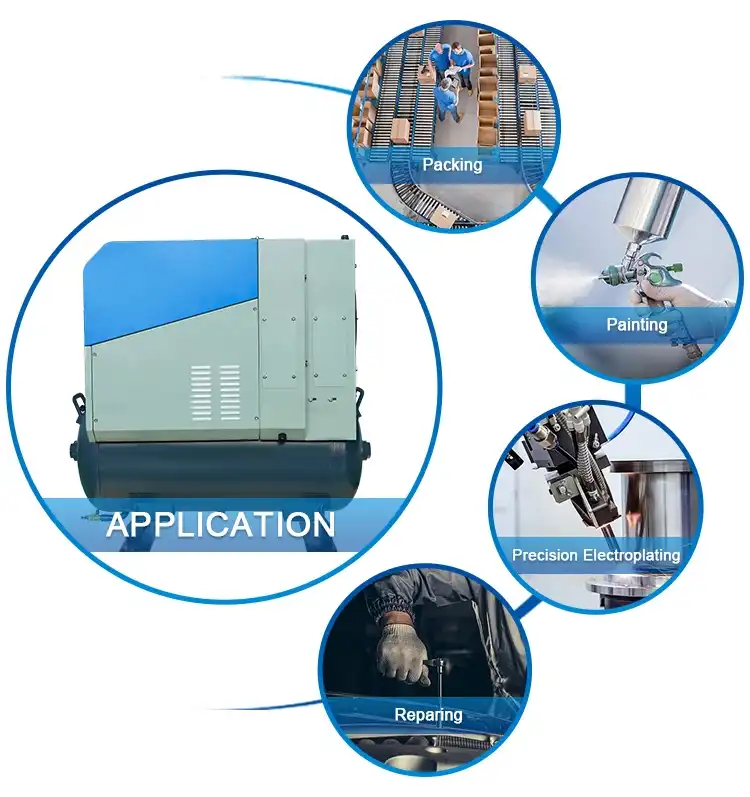
Oil-free models
A number of oil-free models of air compressors are available, but what makes them special? Oil-free compressors don’t contain oil, so they’re lubricated by grease instead. They’re a good choice if you’re working with a small compressor and don’t want to risk damaging it. On the other hand, oil-free models do generate significant amounts of heat, which can damage the compressor. Higher pressure can grind the compressor against itself, or even warp it.
A few words of knowledge can help you choose the best oil-free air compressor for your needs. For example, a compressor’s horsepower is a measurement of how powerful the motor is. Higher horsepower means a higher PSI or ACFM. You can also use the ACFM to compare the two. Scroll technology is a modern air compression system that uses a stationary and mobile spiral. This reduces the volume of air in the compressor by directing it to the center.
Purchasing an oil-free air compressor doesn’t have to be a daunting task, though. A good distributor can advise you on what type of oil-free air compressor is right for you. This way, you can save money and enjoy peace of mind while using your air compressor. And, of course, the best way to get a great deal on an air compressor is to speak to a distributor who is knowledgeable about the products available.
An oil-free air compressor is a great option for businesses that are sensitive to the contamination of air. For example, in the pharmaceutical and food industry, a minuscule oil could spoil a product or even damage production equipment. Oil-free air compressors generally have lower maintenance costs than oil-flooded models because there are fewer moving parts. Because of this, oilless air compressors require fewer maintenance and may still need to be replaced occasionally.
A few advantages of an oil-free air compressor over an oil-lubricated one include lower noise levels. Oil-free air compressors tend to be less noisy and run more quietly than oil-injected ones, but you should still carefully weigh the pros and cons before making a decision. Also, consider how much you use your air compressor before choosing a model. The pros outweigh the cons. In the end, you’ll be glad you chose an oil-free air compressor.


editor by czh 2022-12-06