
The compressed air supply in a dental practice is not a background utility — it is a clinical instrument. It drives handpieces rotating at up to 400,000 RPM, powers air-water syringes that contact patient mucosa directly, actuates suction systems, and purges operative field debris across every chair in the practice. When that air supply contains oil vapour — even at concentrations invisible to the eye — the consequences range from degraded handpiece performance and biofilm contamination in water lines to regulatory non-compliance, equipment warranty voidance, and, at the extreme, adverse patient outcomes. This guide covers everything a dental practice owner or practice manager in Australia needs to know about selecting, sizing, installing, and maintaining an oil-free air compressor for dental offices — with specific reference to the standards, infection control protocols, and equipment performance data that govern the dental environment.
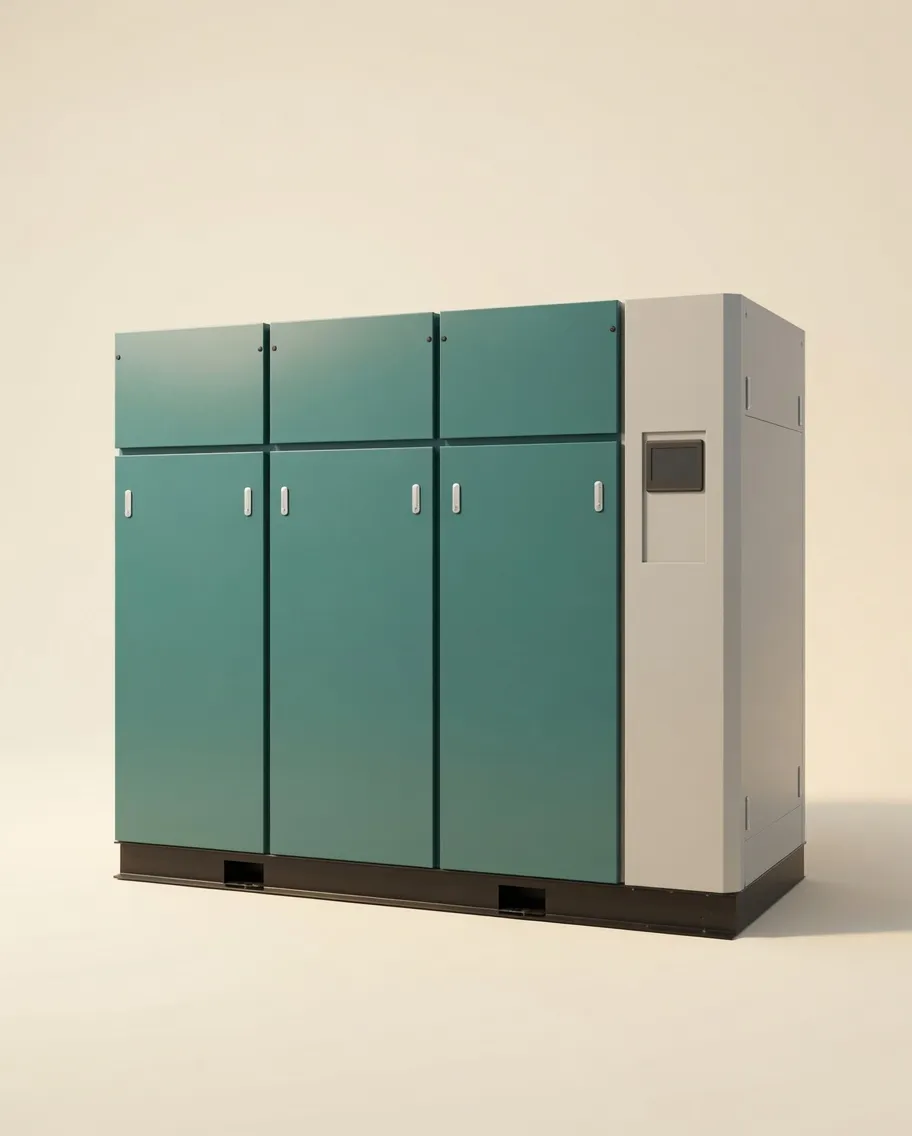
Why Oil-Free Technology Is Non-Negotiable in Dentistry
In clinical settings, the phrase “oil-free” is not a preference — it is a patient safety and regulatory compliance requirement. Dental compressed air contacts patient tissue either directly or via instruments whose internal passages cannot be reliably sterilised if contaminated with hydrocarbon films. The three specific contamination pathways in a dental compressed air system that make oil-lubricated compressors clinically unacceptable are:
Handpiece Air Turbine Contamination
High-speed air turbine handpieces operate at 300,000–400,000 RPM. Oil aerosols in the driving air deposit on turbine bearings and vanes, forming biofilm-compatible films that attract bacterial colonisation. Contaminated handpieces have been implicated in cross-infection events when oil creates protective films that survive autoclave sterilisation cycles.
Air-Water Syringe Direct Patient Contact
Air-water syringes deliver compressed air directly to the oral cavity — flushing operative sites, drying tooth surfaces for bonding, and stimulating patient comfort checks. Any oil carry-over from the compressor reaches the patient’s mucosa, tongue, and pharyngeal surfaces. At ppm concentrations, the health effect is minimal; at larger aerosol events, it causes taste disturbance, patient complaints, and potential lipoid pneumonia risk with repeated exposure.
Dental Unit Waterline Biofilm Formation
Oil contamination in the compressed air circuit of a dental unit acts as a surfactant that promotes biofilm formation on the internal surfaces of narrow waterline tubing (internal diameter 1.6–3 mm). Established biofilm in dental unit waterlines (DUWLs) is the leading source of Legionella and Pseudomonas aeruginosa contamination in dental water supplies — an infection control challenge that is dramatically worsened by oil-contaminated air inputs.
These pathways collectively explain why every legitimate dental equipment manufacturer specifies oil-free compressed air as a mandatory supply requirement in their handpiece warranty documentation — and why dental infection control guidelines universally mandate oil-free air systems for clinical dental unit supply.
Australian Standards & Regulatory Framework
Operating a dental practice in Australia means navigating a layered regulatory environment that directly specifies compressed air quality requirements. Familiarity with these standards is not optional — non-compliance exposes a practice to liability, accreditation failure, and equipment warranty disputes.
HTM 2022 / AS/NZS 4492 — Medical Gas Pipeline Systems
The Australian/New Zealand Standard AS/NZS 4492 (aligned with the UK Health Technical Memorandum HTM 02-01 for dental applications) governs the design, installation, testing, and maintenance of compressed air systems in healthcare premises, including dental practices. Under this standard, dental air must meet a minimum purity classification equivalent to ISO 8573-1 Class 1 (oil content ≤0.01 mg/m³) at the point of use. Practices with larger air systems connected to surgical operatories or hospital dental departments must achieve Class 0 at the compressor outlet. The standard further requires documented commissioning tests and annual verification of air purity by a qualified person — documentation that forms part of the practice’s AHPRA compliance file.
AHPRA & Dental Board of Australia Infection Control Standards
The Dental Board of Australia’s registration standards and AHPRA oversight framework require dental practices to maintain infection control systems compliant with the Australian Guidelines for the Prevention and Control of Infection in Healthcare (NHMRC, 2019). These guidelines address compressed air quality in the context of dental unit waterline management and instrument decontamination — effectively mandating that the compressed air supply cannot be a source of microbial contamination risk. A well-documented oil-free air system with annual validation certificates is direct evidence of compliance with this obligation.
Equipment Manufacturer Warranty Requirements
Sirona, KaVo, W&H, NSK, Bien Air, and every major dental equipment manufacturer explicitly state in their product documentation that compressed air supplied to handpieces, dental units, and surgical equipment must be oil-free. Operating these instruments with oil-contaminated air voids the product warranty — a costly implication when a single turbine handpiece costs AUD 800–2,500 and a full dental unit AUD 15,000–50,000. The compressor warranty cost avoidance alone frequently justifies the oil-free premium within one equipment service cycle.
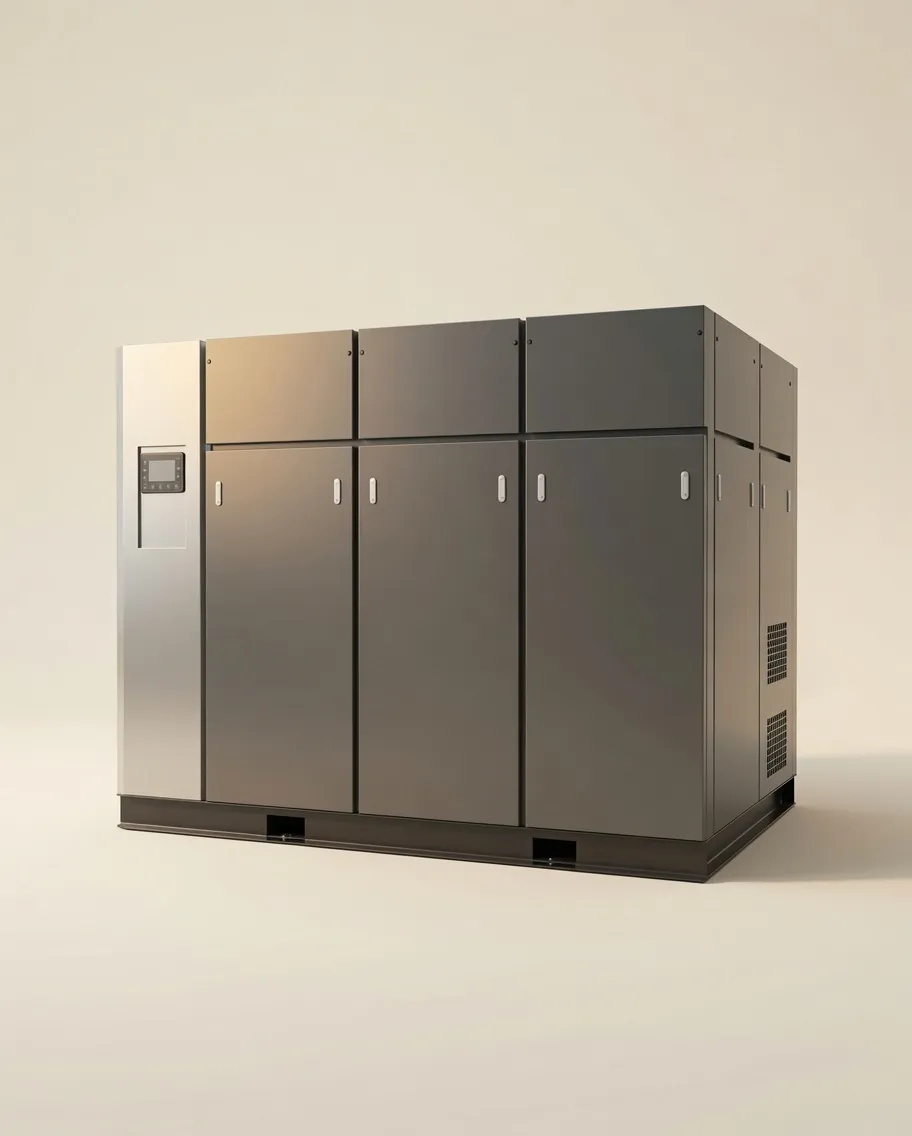
How to Size a Dental Air Compressor Correctly
Undersizing a dental compressor is the single most common and costly installation mistake. An undersized machine runs continuously without adequate recovery time, overheats, triggers thermal protection shutdowns mid-procedure, and has a dramatically shortened service life. Oversizing wastes capital and introduces unintended complications — an oversized machine cycling on and off rapidly creates pressure fluctuations that affect handpiece performance. Here is the correct sizing methodology.
Per-Chair Air Demand Figures
Each fully equipped dental chair in active use consumes approximately 100–150 litres per minute (L/min) of compressed air, accounting for combined handpiece, syringe, suction valve actuation, and instrument activation demands. This figure rises to 180–220 L/min for surgical chairs with implant motors, piezo scalers, and surgical irrigation systems operating simultaneously. The compressor must be sized for simultaneous peak demand across all active chairs — not average demand — because procedures at multiple chairs routinely peak at the same moment.
The Duplex (Tandem) Recommendation for Practices with 4+ Chairs
For practices with four or more treatment chairs, a duplex installation — two compressor units plumbed to a common receiver, operating in lead-lag alternation — is strongly recommended over a single larger unit. The duplex configuration provides full redundancy (if one unit fails during a full appointment day, the second continues at reduced capacity), alternates running hours between machines to extend service life, and allows maintenance of one unit without clinical shutdown. For a practice generating AUD 8,000–15,000 revenue per day from 6–8 chairs, a single-compressor failure causing a half-day shutdown represents revenue loss exceeding the cost difference between single and duplex installations.
Noise Levels: The Overlooked Specification
In a dental practice, the compressor is never far from patients. Even in a dedicated plant room, sound transmission through walls and floor structures into treatment areas affects patient comfort and clinical atmosphere — two factors with direct relevance to patient retention and practice reputation. For practices where the compressor shares a floor with treatment rooms or where there is no dedicated plant room, noise level becomes a critical specification parameter rather than an afterthought.
Target: ≤58 dB(A)
Oil-free piston compressors designed for dental use typically operate at 48–58 dB(A) at 1 metre — comparable to a quiet conversation. Screw-type oil-free models run slightly higher at 62–68 dB(A) but offer significantly greater capacity for multi-chair practices.
Plant Room Acoustic Treatment
A properly lined plant room (50mm acoustic foam or dense mineral wool wall lining, anti-vibration compressor mounting pads, flexible compressor-to-pipework connectors) reduces perceived noise in adjacent treatment rooms by 15–25 dB — bringing even a 70 dB compressor below the threshold of clinical distraction.
Anti-Vibration Mounting
Structure-borne vibration from a compressor mounted directly to a concrete slab or steel frame travels through building elements and re-radiates as airborne noise inside treatment rooms. Rubber anti-vibration feet or spring isolators are a mandatory installation component — not an optional upgrade — for any dental compressor installation.
Air Quality Beyond Oil-Free: Moisture, Particulates & Pressure
Specifying an oil-free dental air compressor addresses hydrocarbon contamination — but a complete, compliant dental air system must also control moisture, particulate contamination, delivery pressure, and microbial quality. These parameters are independent of oil content and require dedicated system components.
Refrigerant Dryer — Moisture Control
Compressed air at dental operating pressures (0.5–0.7 MPa) holds substantial water vapour that condenses in pipework and instrument passages. A refrigerant air dryer integrated into the compressor package or installed downstream reduces pressure dewpoint to +3°C — eliminating condensation in the distribution system and preventing moisture-related corrosion in dental unit internal components. AS/NZS 4492 specifies a maximum moisture content for dental air equivalent to Class 4 (PDP ≤+3°C at line pressure).
0.01 μm Particulate Filtration
A 0.01 μm high-efficiency particulate filter installed at the point-of-use header removes dust, rust particles from pipework, and compressor wear debris. This filtration stage is distinct from oil filtration — it is needed even on oil-free systems to meet ISO 8573-1 Class 1 particulate quality. Filter cartridges require annual replacement regardless of visible condition; biological contamination is invisible and cartridge service life is time-based, not pressure-drop-based.
Pressure Regulation at 0.5–0.55 MPa
Dental air is delivered to dental units at a nominal 0.5–0.55 MPa (5–5.5 bar). Pressure above 0.6 MPa can damage air turbine bearings; pressure below 0.45 MPa causes handpiece torque loss and speed variation that compromises cutting efficiency. A precision pressure regulator with gauge at each dental unit or at the zone header ensures instruments operate within their design parameters regardless of simultaneous demand from multiple chairs.
Annual Air Purity Validation
AS/NZS 4492 requires annual verification of dental air quality by an authorised person — a testing programme covering oil vapour content, total particulate, dewpoint, and microbiological content. The test report is a regulatory document that should be retained for a minimum of 5 years and made available on request during AHPRA accreditation assessments or infection control audits by state health authorities.
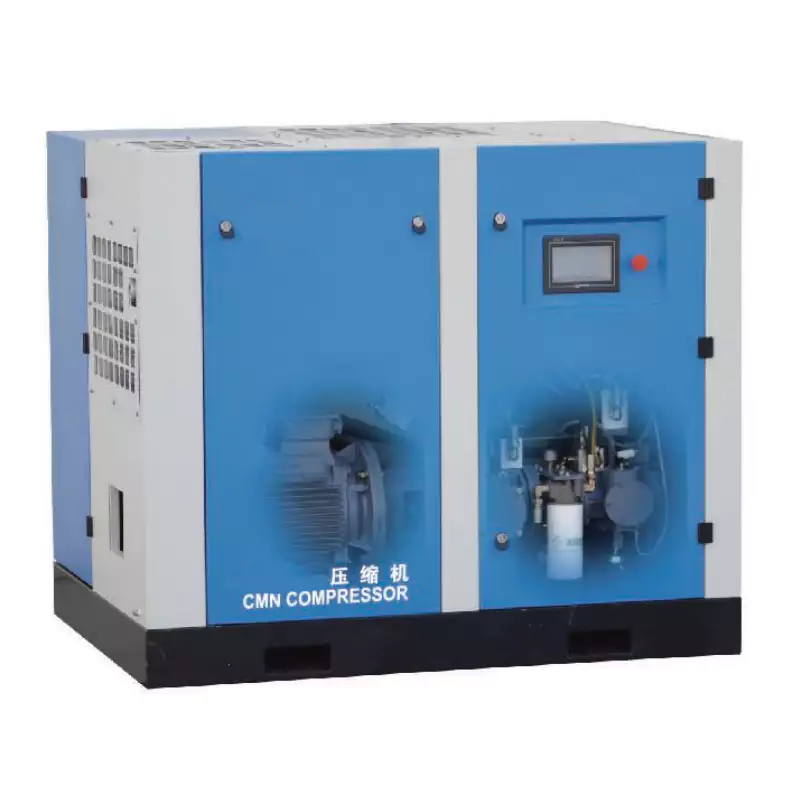
Maintenance Schedule: What Dental Practices Must Do
An oil-free dental air compressor requires a disciplined maintenance schedule to maintain clinical compliance and equipment longevity. Unlike residential appliances, neglected compressor maintenance in a dental practice creates patient safety exposure, not just equipment wear. The schedule below reflects the maintenance programme recommended by Australia Oil Free Air Compressor Co., Ltd. for dental installations.
Drain receiver condensate. Check system pressure gauge reads within normal range (0.7–0.8 MPa pre-regulator). Note any unusual sounds or cycling frequency changes.
Inspect intake filter for visible contamination; wipe down external surfaces; check auto-drain operation; verify safety relief valve operation; inspect pipework connections for moisture accumulation.
Replace intake air filter element. Inspect and clean dryer refrigerant condenser. Check dryer dewpoint performance. Clean receiver interior inspection port. Inspect electrical connections and thermal protection settings.
Replace 0.01 μm filter cartridge. Full air quality validation test to AS/NZS 4492 by authorised person. Document and retain results. Valve and bearing inspection. Safety relief valve re-test and re-certification.
Why Dental Practices Choose Australia Oil Free Air Compressor Co., Ltd.
We understand that dental practice owners are clinicians first and facilities managers second. Our role is to ensure the compressed air system never becomes a clinical concern, a compliance problem, or an operational distraction. Here is the specific value we deliver to dental clients across Australia.
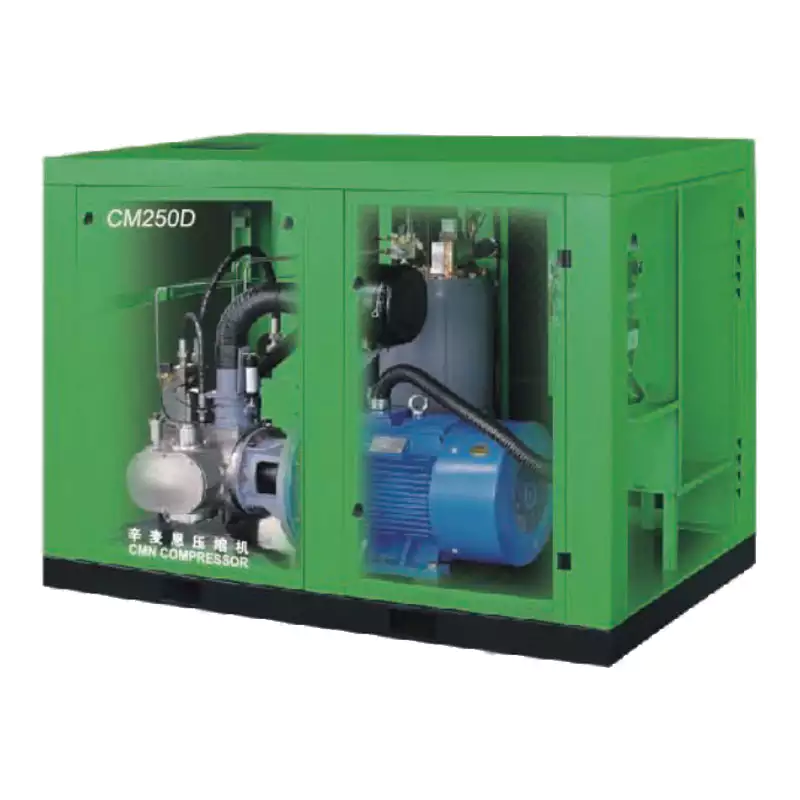
CM45D Low-Pressure Oil-Free Screw Compressor
Water-lubricated, ISO 8573-1 Class 0 certified, discharge temperature below 50°C. Quiet screw-type operation with minimal vibration signature. Suitable for medium to large dental practices (4–8 chairs). Integrated dryer and filtration available as a complete clinical air package.
Frequently Asked Questions
Specify the Right Dental Air System for Your Practice
Our team will size, specify, and document a compliant dental air system for your practice — including AS/NZS 4492 commissioning documentation and annual service support across Australia.
Request a Dental Air Consultation
Email: [email protected] | Contact Us Online | About Us